

If you’ve been told you might need “plastic surgery,” or you’re simply curious about what the specialty actually covers, you’re not alone in wondering where the boundaries are. Many people assume plastic surgery only means cosmetic procedures, but the field is much broader — it also includes reconstructive treatment for burns, injuries, congenital conditions, and tissue loss from disease. Understanding this distinction is the first step toward figuring out whether your concern falls under cosmetic care, reconstructive care, or a mix of both.
This guide walks through what a plastic surgeon actually treats, how cosmetic and reconstructive procedures differ, and what to consider when looking for a plastic surgery clinic in Rajajinagar. Whether you’re exploring options for an appearance-related concern or recovering from an injury, the goal here is to help you approach your consultation with clearer, more informed questions.
What Does a Plastic Surgeon Treat?
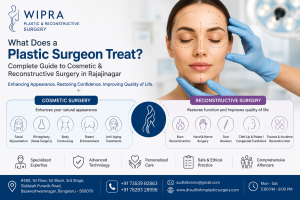
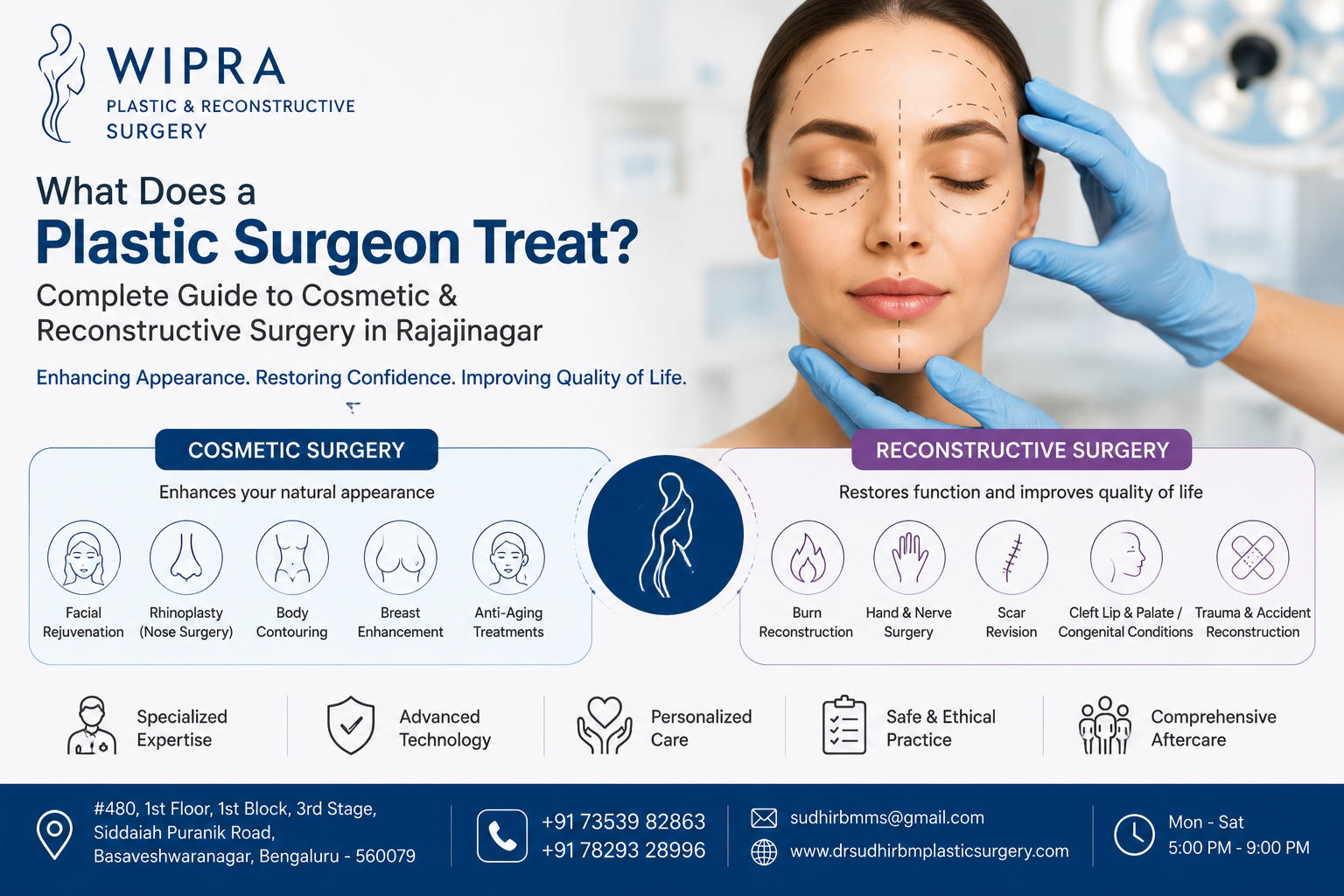
Plastic surgeons treat both cosmetic concerns and reconstructive problems involving the skin, soft tissues, face and body. The exact treatment depends on the patient’s condition and goals.
Plastic surgery is not limited to appearance-enhancing procedures. Surgeons trained in this specialty are also equipped to manage:
- Skin and soft-tissue conditions
- Facial concerns, from aging changes to structural asymmetry
- Body contour issues, including excess skin
- Scars from surgery, injury, or burns
- Burn injuries and their long-term effects
- Trauma-related tissue defects
- Congenital abnormalities present from birth
- Tissue loss following disease or tumor removal
- General appearance-related concerns
Because the specialty spans such a wide range of conditions, the right treatment for one patient may look very different from what’s appropriate for another — which is exactly why individual evaluation matters more than broad assumptions about what “plastic surgery” means.
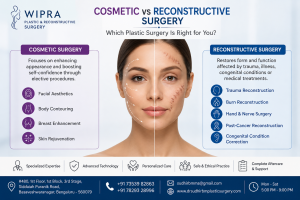
Cosmetic vs Reconstructive Plastic Surgery: What’s the Difference?
| Cosmetic Surgery | Reconstructive Surgery |
| Primarily focuses on improving appearance | Primarily restores form and function |
| Usually elective | Often related to injury, disease, congenital conditions, or tissue loss |
| May involve face or body contouring | May involve reconstruction of damaged or missing tissue |
| Goal is aesthetic enhancement | Goal may include functional and structural restoration |
These categories aren’t always completely separate. A reconstructive procedure often improves appearance as part of restoring normal structure, and some cosmetic procedures can also address minor functional concerns. The distinction is useful as a starting point, but your surgeon will look at your specific situation rather than sorting it strictly into one column or the other.
What Cosmetic Procedures Can a Plastic Surgeon Perform?
Facial Cosmetic Surgery
Facial concerns are among the most common reasons patients consult a plastic surgeon. These may relate to facial aging, skin laxity, eyelid appearance, nasal shape, facial contours, or neck aging. Depending on the concern and after individual assessment, procedures that address these areas can include:
- Rhinoplasty (nose reshaping)
- Facelift
- Neck lift
- Eyelid surgery (blepharoplasty)
- Lip correction
These are presented here as general examples of procedures within the plastic surgery specialty. Whether a particular procedure is appropriate, or offered, depends on individual evaluation and should be confirmed directly with your surgeon.
Body Contouring and Cosmetic Body Procedures
Plastic surgeons may also help patients address body contour concerns, such as localized areas of excess skin or fat, or contour changes following significant weight loss. Common areas of concern include the abdomen and other regions where skin elasticity has changed over time.
Suitability for any body contouring procedure varies considerably from patient to patient, depending on factors like skin quality, overall health, and the extent of the concern. No specific result can be promised in advance, and a proper physical examination is necessary before any procedure can be recommended.
What Is Reconstructive Surgery?
Reconstructive surgery aims to restore form, function, tissue coverage, structural integrity, and — where possible — a more typical appearance, following damage or loss caused by injury, disease, or congenital conditions.
Reconstructive surgery may be considered in situations such as:
- Trauma from accidents or injuries
- Burns and their long-term effects
- Surgical defects following tumor removal
- Skin and soft-tissue loss
- Congenital conditions present from birth
- Certain disease-related tissue defects
A reconstructive surgery clinic in Rajajinagar typically evaluates each case individually, since the extent of tissue damage, the affected area, and the patient’s overall health all influence what reconstructive approach may be appropriate.
Common Conditions Treated Through Reconstructive Plastic Surgery
- Burn Reconstruction Burns can result in scarring, contractures, and restricted movement, particularly when they affect joints or the face. Reconstructive treatment may focus on releasing tight scar tissue, improving mobility, and addressing the appearance of affected areas, depending on the severity and location of the burn.
- Trauma and Accident Reconstruction Injuries from accidents can damage skin, soft tissue, or underlying structures. Reconstructive procedures in these cases aim to repair the affected area and restore function where possible, based on a careful assessment of the extent of injury.
- Scar Revision Not all scars require surgical attention, but some — particularly those that restrict movement, cause discomfort, or are cosmetically significant to the patient — may be evaluated for scar revision. Suitability depends on the scar’s location, age, and characteristics.
- Soft-Tissue Defects When skin or soft tissue has been lost due to injury, infection, or surgery, reconstructive techniques may be used to restore coverage and support normal healing.
- Congenital Conditions Some patients may require reconstructive treatment for conditions present from birth. Because congenital conditions vary widely in type and severity, treatment planning is highly individualized and should be discussed directly with a reconstructive surgeon in Rajajinagar or a specialist familiar with the specific condition.
When Should You Consult a Plastic Surgeon?
You may consider a consultation if you have:
- Persistent concerns about a scar’s appearance or tightness
- Significant tissue damage from an injury
- Burn scars or contractures affecting movement
- A congenital difference you’d like to discuss
- Skin or soft-tissue defects from surgery or disease
- Facial or body appearance concerns
- Excess skin following major weight loss
- Any concern you’re unsure falls under cosmetic or reconstructive care
It’s worth stating clearly: a consultation does not automatically mean surgery is required. The surgeon’s role at this stage is to assess your condition, understand your expectations, review your medical history, and discuss the range of treatment options — surgical and non-surgical — that may be relevant to you.
How Does a Plastic Surgery Consultation Work?
A typical consultation generally follows these steps:
- Review of your medical history
- Understanding your specific concern
- Physical examination of the relevant area
- Assessment of your goals and expectations
- Discussion of appropriate treatment options
- Explanation of benefits and limitations
- Discussion of risks and recovery expectations
- Consideration of alternative treatments
- Outline of expected follow-up care
- Collaborative decision-making about next steps
Coming prepared with a clear description of your concern, relevant medical history, and any previous treatment records can help make this process more productive.
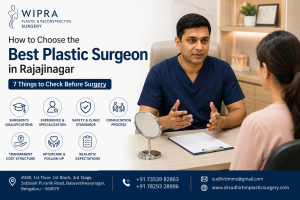
How to Choose a Plastic Surgeon in Rajajinagar
When evaluating a plastic surgeon in Rajajinagar, consider the following:
- Appropriate medical qualifications, including specialist plastic surgery training
- Relevant experience, particularly with the type of procedure you need
- A transparent consultation process that addresses your questions directly
- Clear discussion of risks and benefits, not just expected benefits
- An appropriate, properly equipped surgical facility
- A defined plan for follow-up and postoperative care
- Clear, ongoing communication throughout treatment
- Realistic expectations set during consultation, rather than promises of a specific outcome
Be cautious of any claims of guaranteed results, painless surgery, or zero risk — no ethical surgeon can honestly make these promises, since outcomes and recovery vary between individuals.
Choosing a Cosmetic Surgery Clinic in Rajajinagar
If your primary interest is in cosmetic procedures, look for a cosmetic surgery clinic in Rajajinagar that offers:
- A qualified specialist with relevant training and experience
- Proper individual evaluation before any procedure is recommended
- Treatment planning tailored to your anatomy and goals
- A clear explanation of risks alongside expected benefits
- Realistic discussion of what results are achievable for your case
- Appropriate surgical facilities and safety protocols
- Structured postoperative monitoring and follow-up visits
These factors matter more for your safety and satisfaction than promotional pricing or marketing claims.
Why Patients May Consider a Plastic & Reconstructive Surgery Specialist
Consulting a specialist trained in both cosmetic and reconstructive techniques has practical advantages, since many of the underlying skills — tissue handling, wound closure, aesthetic judgment — overlap between the two. A specialist can offer individual assessment, a solid understanding of the relevant anatomy, careful surgical planning, and attention to both functional and aesthetic considerations, along with appropriate long-term follow-up.
Patients searching online for the Best Plastic & Cosmetic Surgery Center in Rajajinagar should compare qualifications, relevant experience, consultation quality, and follow-up care rather than relying only on promotional claims. These factors are far more reliable indicators of quality care than superlatives in an advertisement.
Cosmetic or Reconstructive Surgery: Which One Is Right for You?
Cosmetic surgery may be considered when the primary goal is appearance enhancement, and there is no underlying functional problem.
Reconstructive surgery may be considered when the primary concern involves restoring form or function following injury, burns, congenital conditions, disease, or tissue loss.
Sometimes both goals overlap — a reconstructive procedure can also meaningfully improve appearance as part of restoring normal structure.
Only a qualified plastic surgeon can determine the appropriate treatment path for your specific situation after a proper evaluation. General information, including this article, is meant to help you ask better questions during that process — not to replace it.
Why Rajajinagar Patients Should Seek an Individualised Treatment Plan
Patients in Rajajinagar and other parts of Bengaluru considering cosmetic or reconstructive surgery benefit from an individualized approach, since no two cases — even involving the same procedure — are identical. A proper consultation and specialist assessment take into account your specific anatomy, medical history, and goals, whether your concern is primarily cosmetic, reconstructive, or a combination of both. Rather than searching for a one-size-fits-all solution, focus on finding a surgeon who takes the time to evaluate your case individually before recommending a treatment plan.
Conclusion
Plastic surgery includes both cosmetic and reconstructive care, and the right treatment depends entirely on the patient’s specific condition and goals. Some concerns are purely aesthetic, others involve restoring function after injury or illness, and many fall somewhere in between. A qualified consultation, realistic expectations, and careful surgical planning with appropriate follow-up all play a role in a safe and informed treatment journey.
Patients considering cosmetic or reconstructive surgery in Rajajinagar can schedule a consultation with Dr. Sudhir B. M. to discuss their concerns, treatment options and suitability for surgery.
Frequently Asked Questions:
- What does a plastic surgeon treat?
Plastic surgeons treat both cosmetic and reconstructive concerns involving the skin, soft tissues, face, and body. This includes appearance-related goals as well as conditions caused by trauma, burns, congenital differences, or tissue loss from disease. The exact treatment approach depends on individual evaluation. - What is the difference between cosmetic and reconstructive surgery?
Cosmetic surgery primarily focuses on improving appearance and is usually elective, while reconstructive surgery focuses on restoring form and function following injury, disease, or congenital conditions. Some procedures involve elements of both, depending on the specific case. - When should I see a plastic surgeon?
You may consider a consultation if you have concerns about a scar, injury-related tissue damage, burn contractures, congenital differences, or appearance-related issues. A consultation helps assess your condition, though it does not automatically mean surgery will be recommended. - Can a plastic surgeon treat burn scars?
Yes, plastic surgeons can evaluate and treat burn scars, particularly when scarring restricts movement or affects appearance. Treatment options depend on the severity, location, and age of the scar, and are determined after individual assessment. - Can plastic surgery help after an accident?
Reconstructive plastic surgery may help repair tissue damaged in an accident and restore function where possible. The specific approach depends on the extent and location of the injury, and is determined through careful clinical evaluation. - How do I choose a plastic surgeon in Rajajinagar?
Look for appropriate specialist qualifications, relevant experience with your specific concern, a transparent consultation process, and clear communication about risks and realistic outcomes. Follow-up care and facility standards are also important factors to consider. - Is cosmetic surgery always elective?
Cosmetic surgery is generally elective, meaning it is chosen by the patient primarily for appearance-related reasons rather than medical necessity. However, some procedures can also have functional benefits depending on the individual case. - How do I know whether I need cosmetic or reconstructive surgery?
This depends on whether your concern is primarily related to appearance or involves restoring form and function after injury, disease, or a congenital condition. A consultation with a qualified plastic surgeon is the most reliable way to determine which applies to your situation.